

Why automotive logistics need better tools (and drivers who care)?
When thinking word “logistics,” you might think about stacked boxes, conveyor belts, and trucks filled with parcels. That world is filled with uniform objects, predictable flows, and standardized systems but if we take the world of automotive logistics, you'll see it is a completely different game.
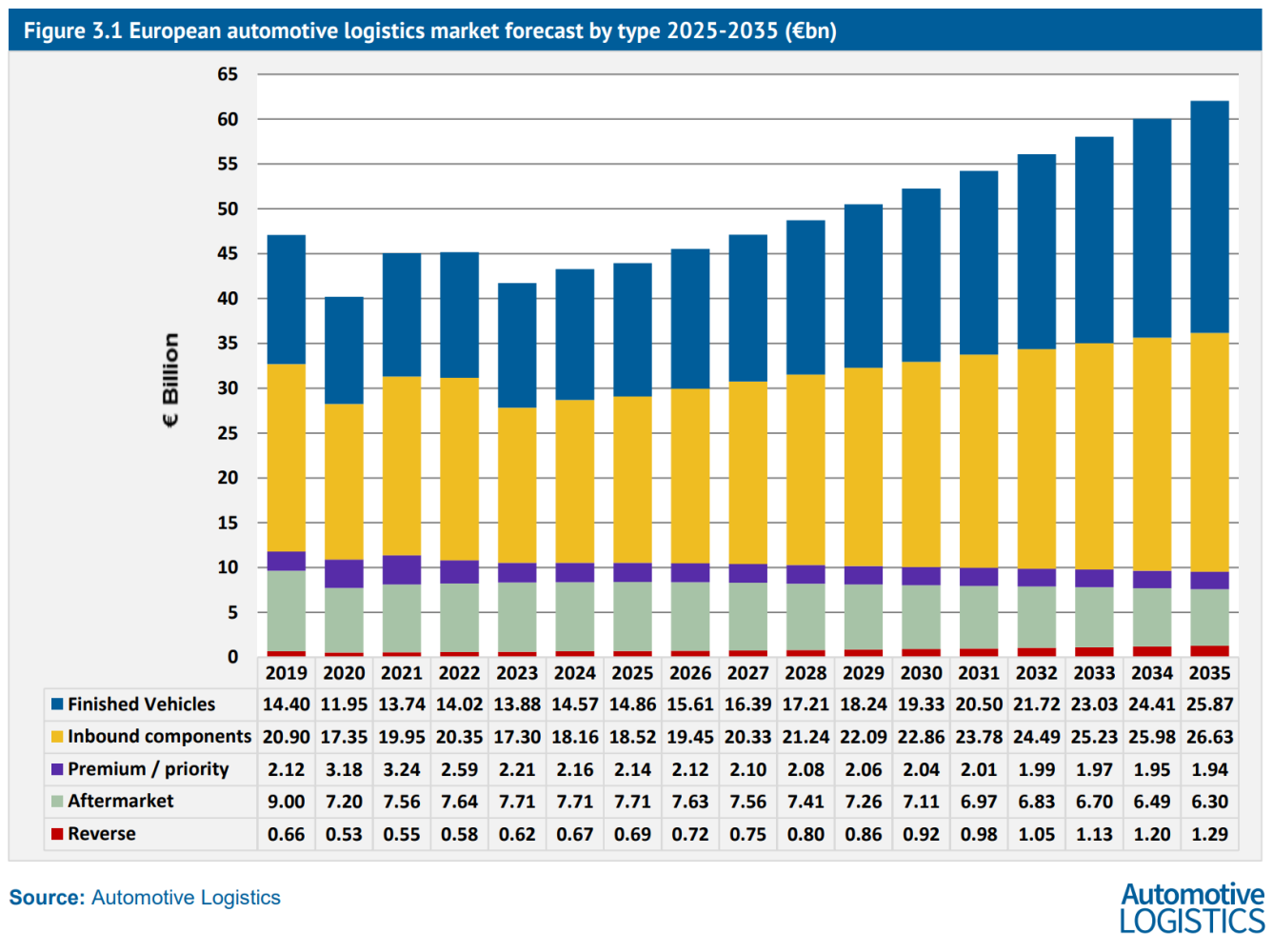
A car isn’t just another parcel. It’s a high-value asset, often unique, sometimes custom-built, and always destined for a person. According to European Automotive Logistics Market Report 2025-2035, finished vehicle logistics (FVL) in Europe alone is set to grow from a €14.86 billion in 2025 to over €25.87 billion by 2035, so maybe it’s time to consider solutions specialized for automotive logistics?
What makes automotive logistics different?
- Irregular volumes: Unlike the predictable patterns in parcel delivery, automotive logistics often deals with fluctuating volumes, making planning and resource allocation more challenging.
- High-value assets: Vehicles are expensive assets requiring special handling to prevent damage.
- Tight delivery windows: Meeting deadlines are crucial, especially for dealerships facing awaiting customers.
- Regulatory constraints: The automotive industry operates under strict regulations regarding emissions, safety, and transport laws.
- Human hand-over matters: A vehicle delivery often includes explanation, hand-off, inspection, and sometimes calibration - it’s not the drop-and-go type of delivery.
Why generic logistics tools fall short?
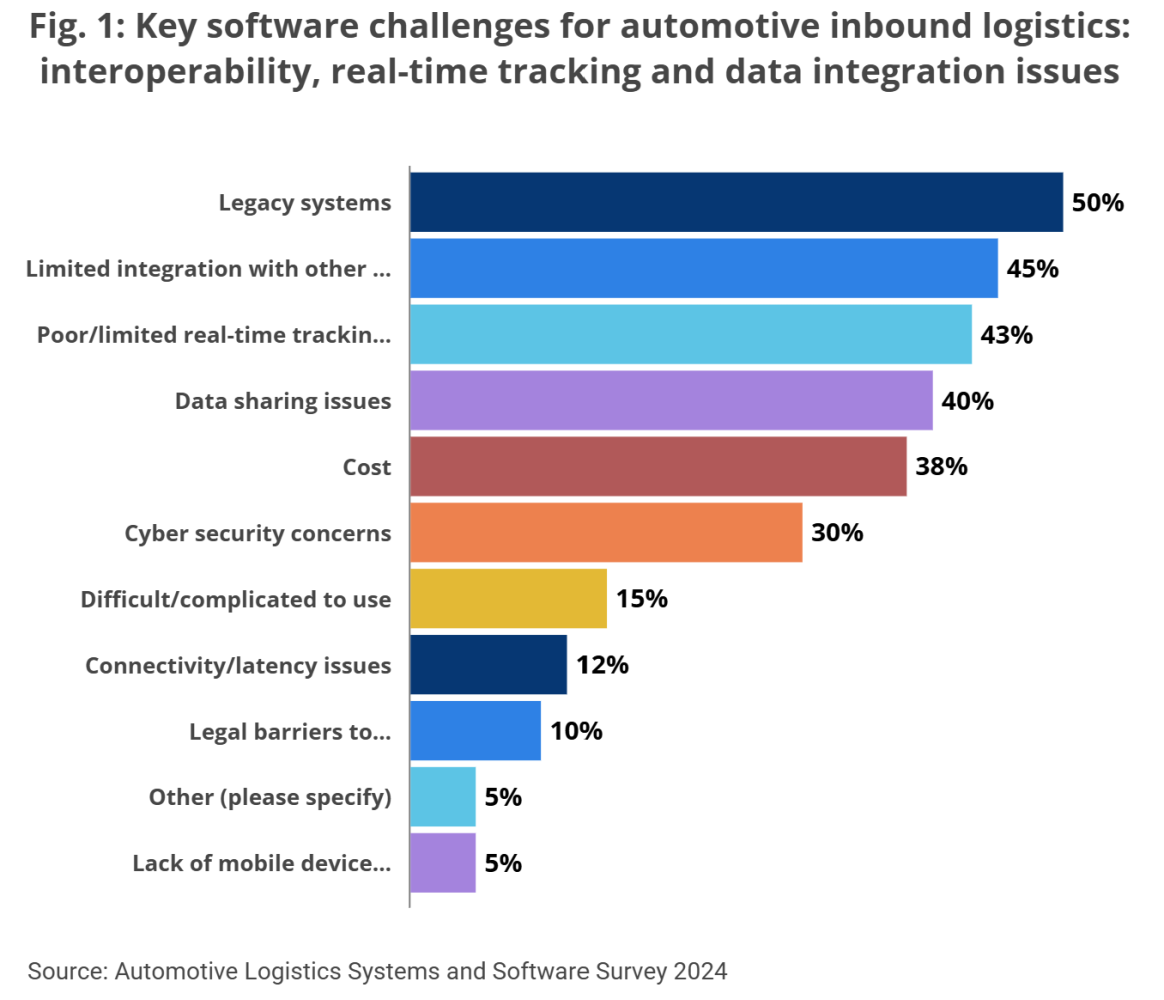
Most logistics tools were designed for typical packages: uniform, low value, not really needing human interaction. Cars, on the other hand, require totally different tools. They require specialized systems that understand the importance of vehicle identification numbers (VINs), real-time tracking, driver certification, and customer hand-over experience. In fact, a recent Automotive Logistics 2024 Systems & Software Survey found that outdated, one-size-fits-all logistic systems are one of the biggest bottlenecks in automotive logistics, especially when it comes to real-time tracking and fragmented data flows.
Why it matters for you (fleet owner/manager)?
So what happens when fleet managers try to manage vehicle deliveries through parcel-style systems? It creates problems like:
- Team efficiency suffers: If your staff needs to spend hours coordinating vehicle deliveries, it means they’re pulled away from revenue-generating activities which leads to slowing commercial growth.
- Extended lead times: Using the wrong system leads to delayed vehicle movements, leaving cars idle longer than necessary. Every hour a vehicle sits unused, it costs you in lost opportunity and capital.
- Lack of visibility: Current dashboards lack transparency only showing “in transit,” instead of detailed tracking like “delivered, inspected, and accepted" resulting in lack of visibility and control over the delivery.
- Compliance and risk exposure: Cars are high-value, regulated assets. Mistakes made in documentation, hand-over, or condition checks processes can cost thousands.
- Lack of driver experience: Parcel couriers drop a box and go but properly handing over a car requires skilled and careful drivers.
- First impressions are at risk: A rushed or inexperienced driver delivering a car can damage your brand’s reputation. The first interaction determines the trust client has for you in the future.
How specialized systems look like?
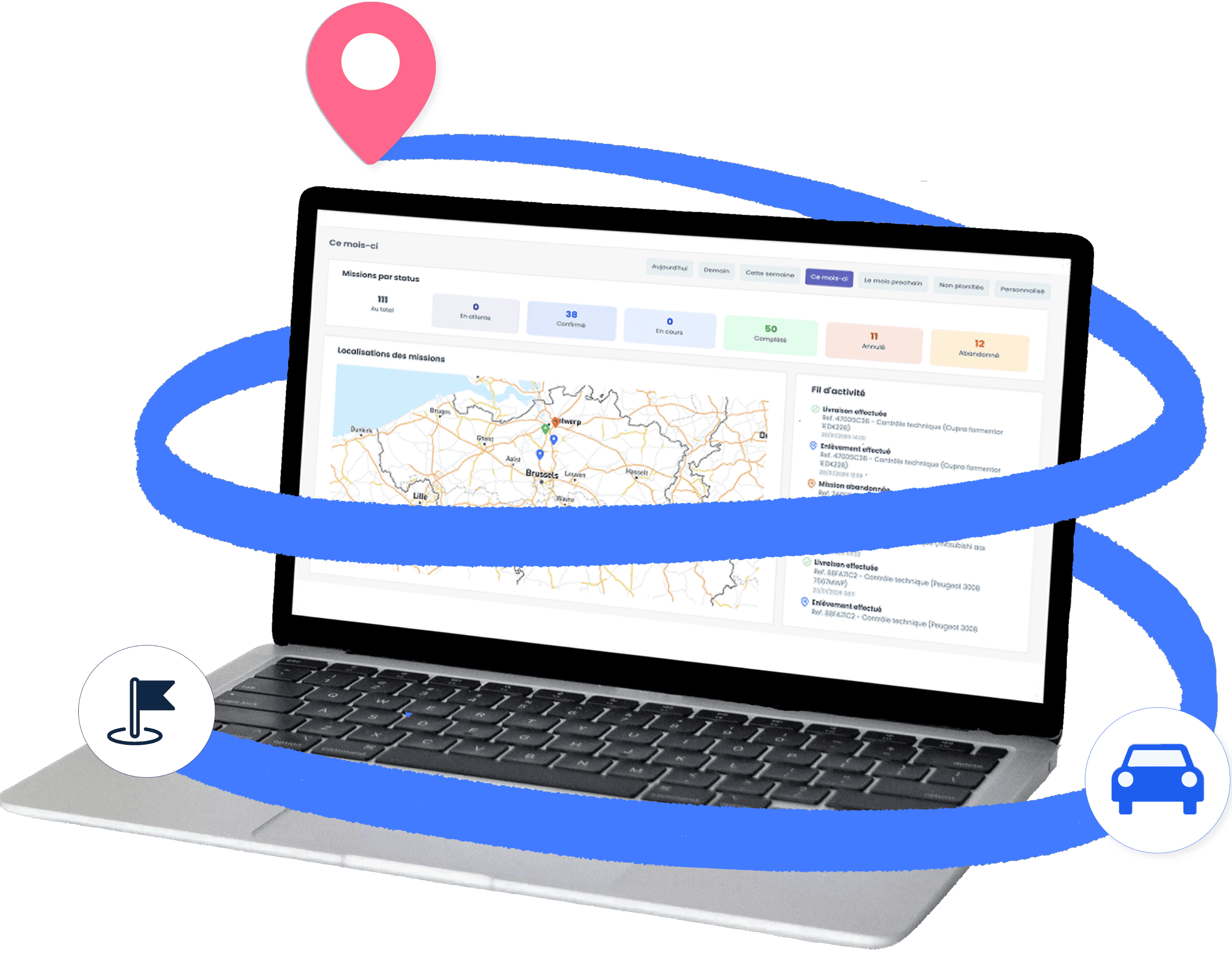
It’s not easy reinventing the system that’s been used for a long time but at Mobvious we spend time understanding the complexities of automotive logistics and work on introducing specialized solutions. Our platform is designed specifically for vehicle deliveries and includes tools that parcel logistics systems lac:
- Real-time route tracking with VIN, timestamps and car status preventing frauds and misuse of the car.
- Short lead times and optimized routes for reduced idle time and faster transfers.
- All-in-one digital platform connecting drivers, dispatchers, customers, documents reducing the chaos in communication.
- Professionally trained and fully insured drivers.
- API integrations in your systems preventing double work.
- Several services included in one delivery eliminating the need to juggle multiple providers.
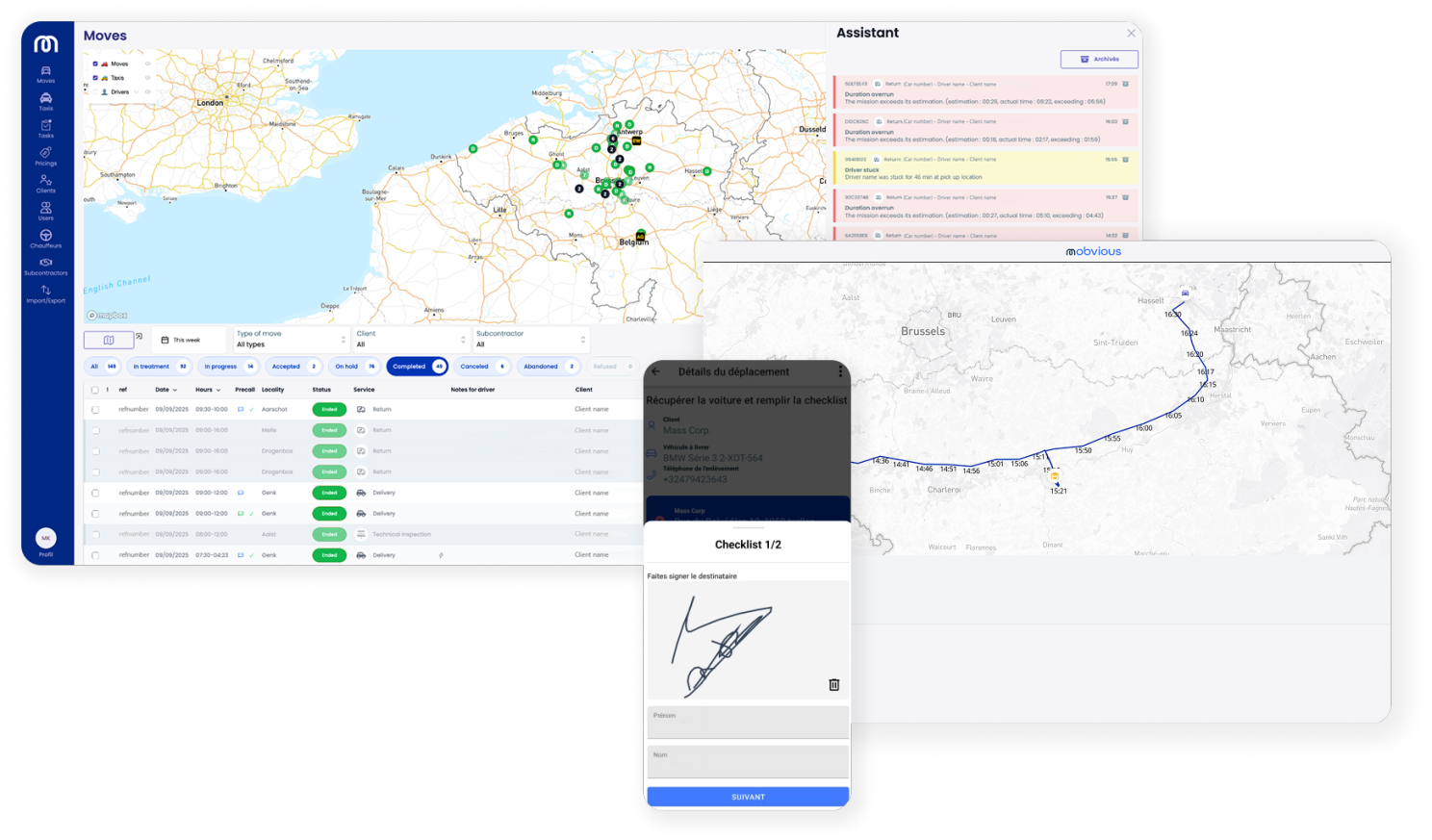
You can learn more about specialized automotive logistics solutions at mobvious.me
Why human factor is as important as technology?
We believe that technology is only part of the solution. Because a smart dashboard alone doesn’t guarantee a smooth handover, that requires trained, attentive drivers who understand the impact they have.
The moment a driver hands over a key to a vehicle is the first personal experience the client has with the brand. It can determine whether the person becomes your trusted long-term customer or decides to share negative impression with others.
That’s why at Mobvious we put special attention pairing a vehicle with a driver who has the right experience and certifications. Our digital tools provide full transparency from booking to handover, while our drivers ensure the process is handled with care, attention, and professionalism.
Final thought
So yes, automotive logistics needs better tools. But if you focus only on the tools, you’ll still miss the hand-over person, the driver who greets the customer, who does the condition check, and takes the wheel with a smile. At Mobvious, we’re building both sides: the platform and the person.
We're curious - do you still see vehicles as shipments, or as moments that define your brand?
Stay informed
Get insights on transport, logistics, and industry trends delivered to your inbox.